A Filing System That Works: Simple Steps to Keep Your Office Organised
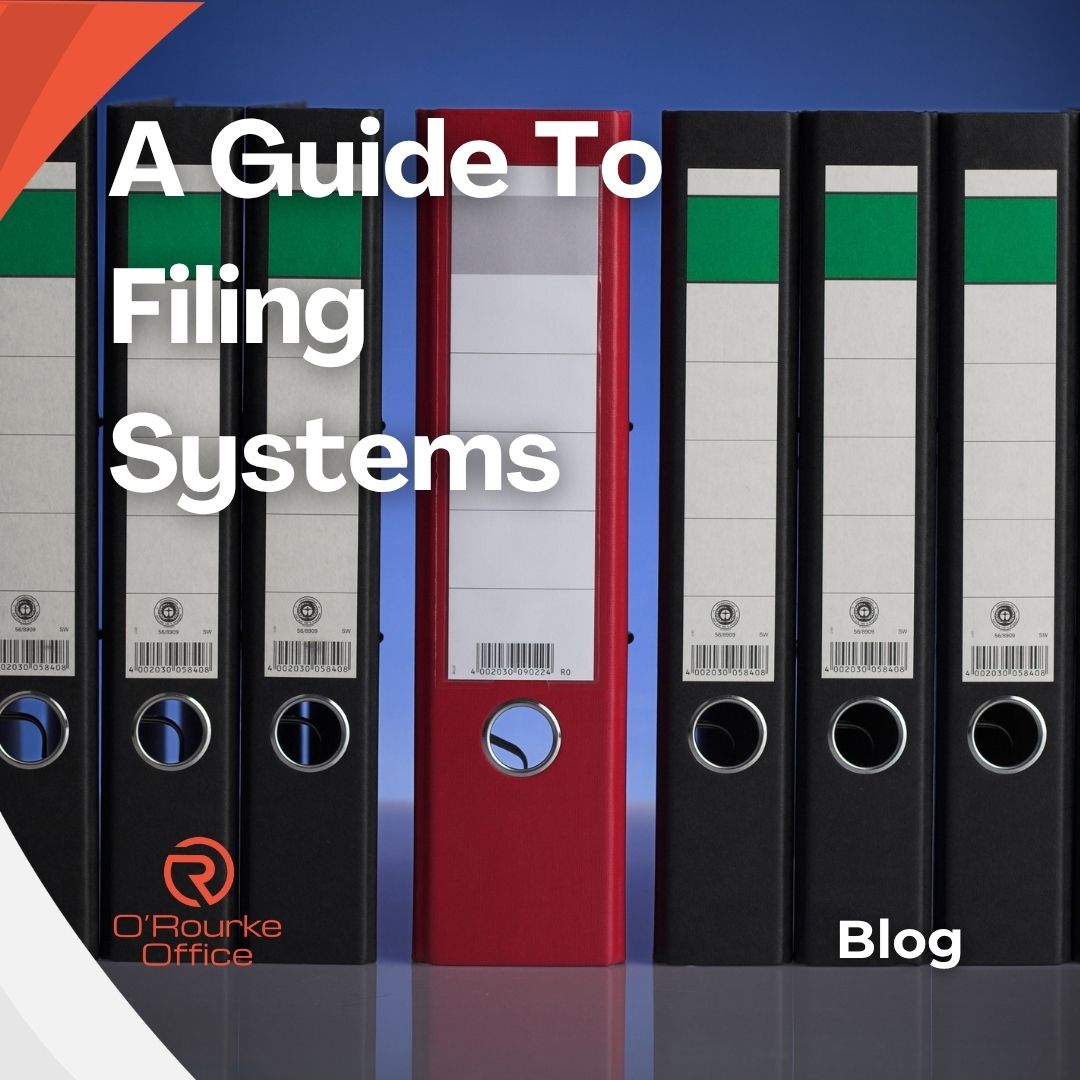
A good filing system saves time, reduces clutter, and makes it far easier to find what you need when you need it. For busy offices, schools, and small businesses, the key isn’t just having enough storage — it’s choosing the right file format, organising it clearly, and keeping the system simple enough that people will actually use it. That’s where the basics matter: A4 vs foolscap, colour coding, and smart storage.
A4 or Foolscap — Which Should You Choose?
One of the first decisions is whether to use A4 or foolscap files.
- A4 is the standard paper size used in most modern offices.
- Foolscap is slightly larger, giving A4 documents extra room inside the file.
That extra space helps protect edges from bending and makes bulk documents easier to handle.
When to choose which:
- Choose A4 if storage space is tight and most documents are standard A4 sheets.
- Choose foolscap if you want extra clearance or your existing cabinets and folders are already built around that format.
The most important rule is consistency. Mixing sizes without a plan makes filing harder, not easier.
Use Colour Coding to Speed Up Filing
Colour coding is one of the simplest ways to improve filing speed and reduce misfiling. Instead of relying only on labels, assign a colour to a category, client, department, or document type so people can spot what they need instantly.
Examples:
- Blue → Finance
- Red → HR
- Green → School administration
- Yellow → Archived records
The goal isn’t to make the filing “pretty” — it’s to make it fast, clear, and consistent. A colour system only works if everyone understands it and uses it the same way.
Keep Storage Practical and Easy to Use
Even the best filing system fails if storage is awkward.
Choose filing cabinets, shelves, and boxes based on:
- How often documents are accessed
- How much space you have
- How secure the paperwork needs to be
Active files should be easy to reach. Archived files can be boxed and stored higher up or in a less central area.
A simple split between active and archive documents prevents overcrowded cabinets and makes it much easier to find what matters quickly.
- Open shelving works well for regularly used files.
- Lockable cabinets are better for sensitive paperwork.
Build a System People Will Actually Use
The most effective filing system is one staff can understand at a glance and maintain without effort. That means:
- Clear labels
- Consistent folder naming
- Logical colour choices
- A storage layout that matches how the office works
If a system is too complicated, people stop using it — and the filing problem returns.
A good rule: Keep the structure simple enough that a new staff member could learn it quickly.
Review the system regularly so it doesn’t drift over time. Small improvements in filing often save more time than people expect, especially in offices that handle high volumes of paperwork.
The Bottom Line
A well‑organised filing system doesn’t need to be complicated to be effective. Choosing between A4 and foolscap, using colour coding wisely, and setting up storage that suits your workload can make a big difference to daily efficiency. When filing is simple, clear, and consistent, the whole office runs more smoothly.
Visit Us
O’Rourke Office Supplies
Main Street, Cavan & Ballinamore, Co. Leitrim
Call: (049) 433 1444 / (071) 964 4251
Email: info/sales@orourkeoffice.ie
Web:
https://orourkeoffice.ie |
https://online.orourkeoffice.ie/home